Across Doncaster Fear Factory, costuming and makeup worked to distinguish each haunt’s world, often balancing realism with theatricality. While some areas leaned toward the understated, others embraced full visual display. The collective result was a credible, unsettling aesthetic that sustained the illusion of peril. In “Shellton Motel”, the costumes grounded the chaos in a sense of time-specific realism. The front desk receptionist, dressed in 1940s/50s clothing, immediately set the scene, while the SWAT team, who were clad in full tactical gear, reinforced the sense of a police chase. Though some costumes here felt less developed than those in other haunts,…
Read More…Across Doncaster Fear Factory, costuming and makeup worked to distinguish each haunt’s world, often balancing realism with theatricality. While some areas leaned toward the understated, others embraced full visual display. The collective result was a credible, unsettling aesthetic that sustained the illusion of peril.
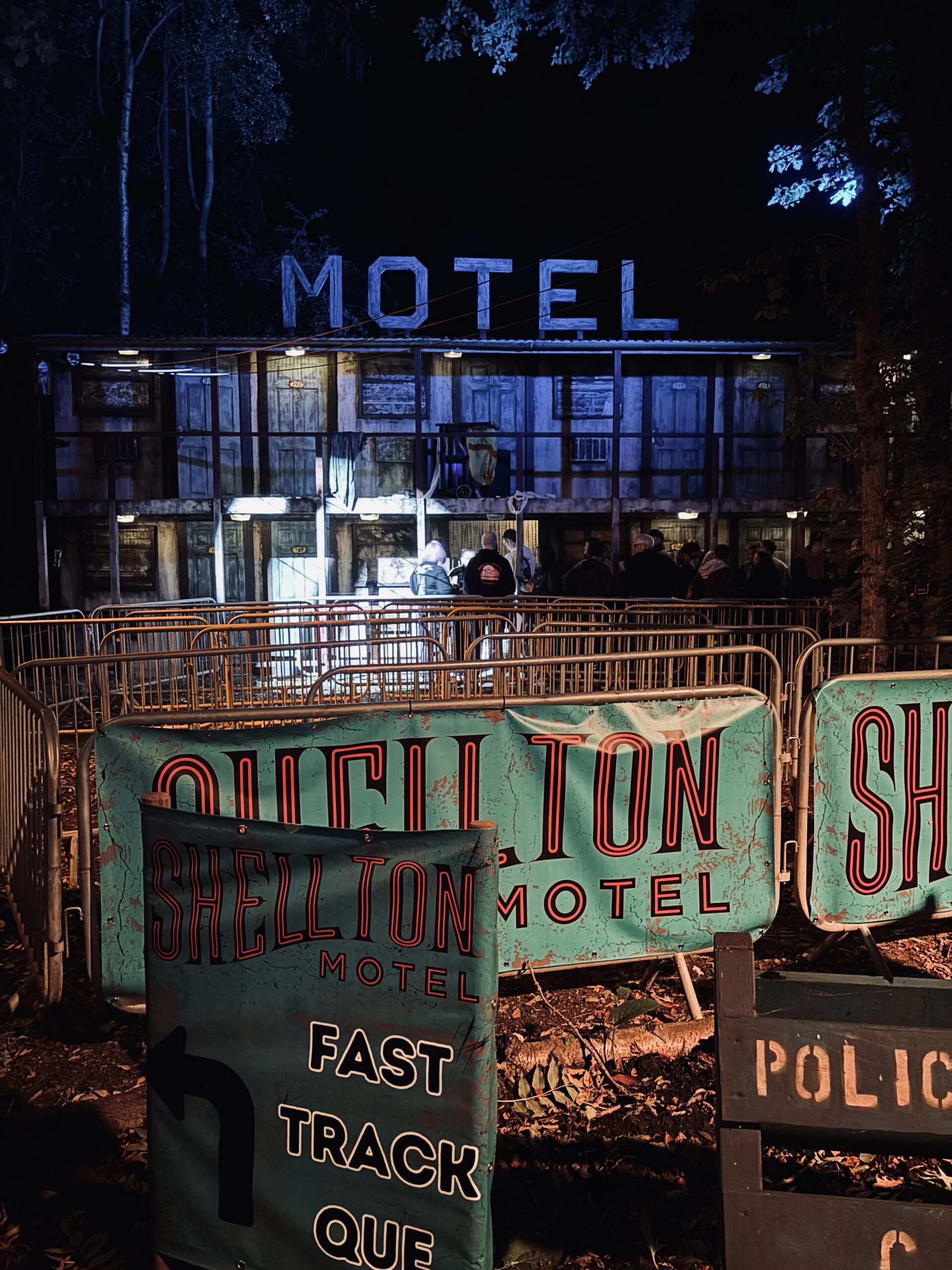
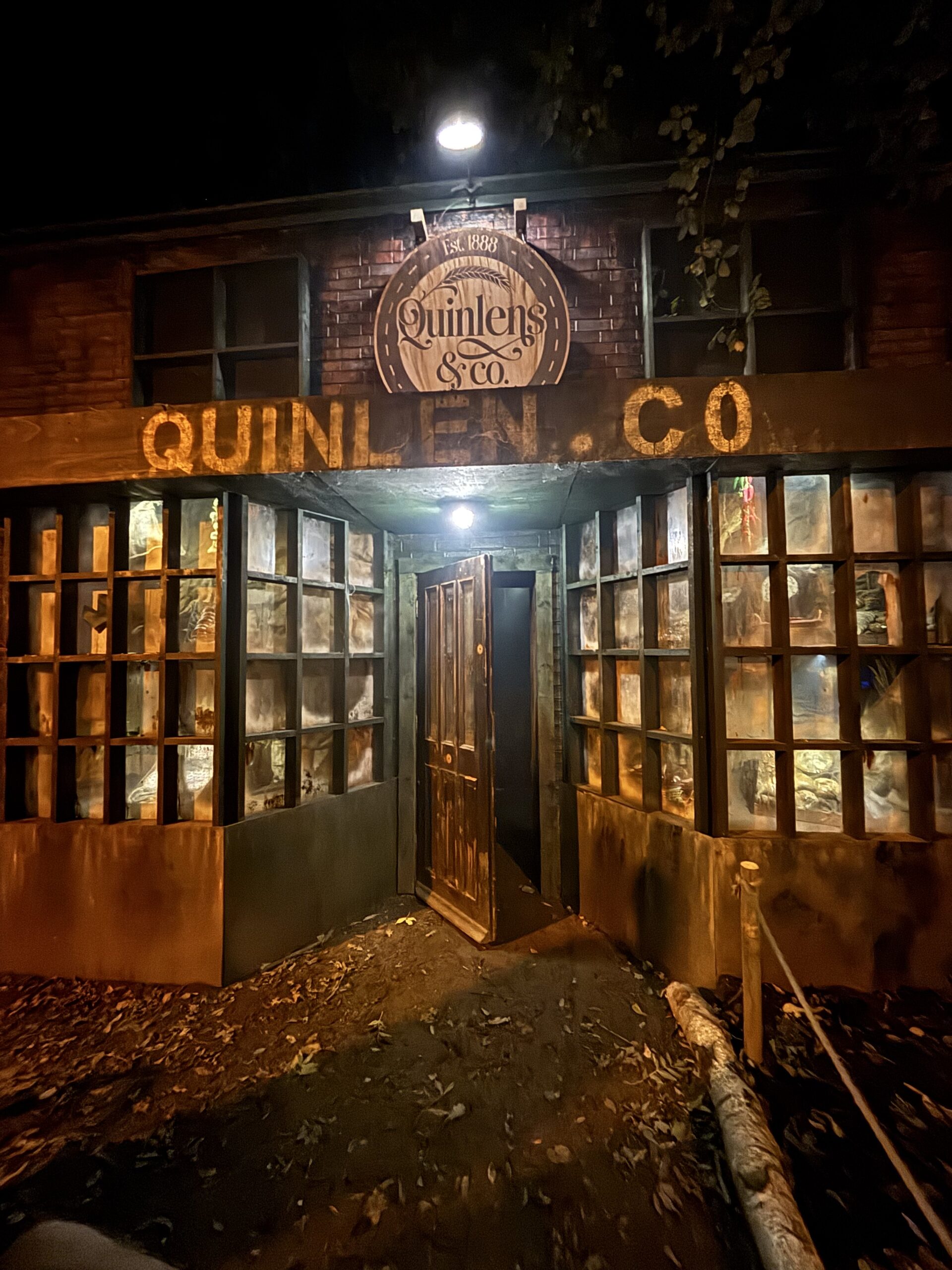
In “Shellton Motel”, the costumes grounded the chaos in a sense of time-specific realism. The front desk receptionist, dressed in 1940s/50s clothing, immediately set the scene, while the SWAT team, who were clad in full tactical gear, reinforced the sense of a police chase. Though some costumes here felt less developed than those in other haunts, they served their purpose well in conveying the setting’s period. “Quinlens & Co” took a more controlled approach. The plague doctors, dressed in traditional beaked masks and muted clothes, were effective within the poorly lit tunnels, even if the designs themselves didn’t push boundaries. The shadowy environment did most of the heavy lifting, casting long silhouettes that turned simple designs into phantoms.
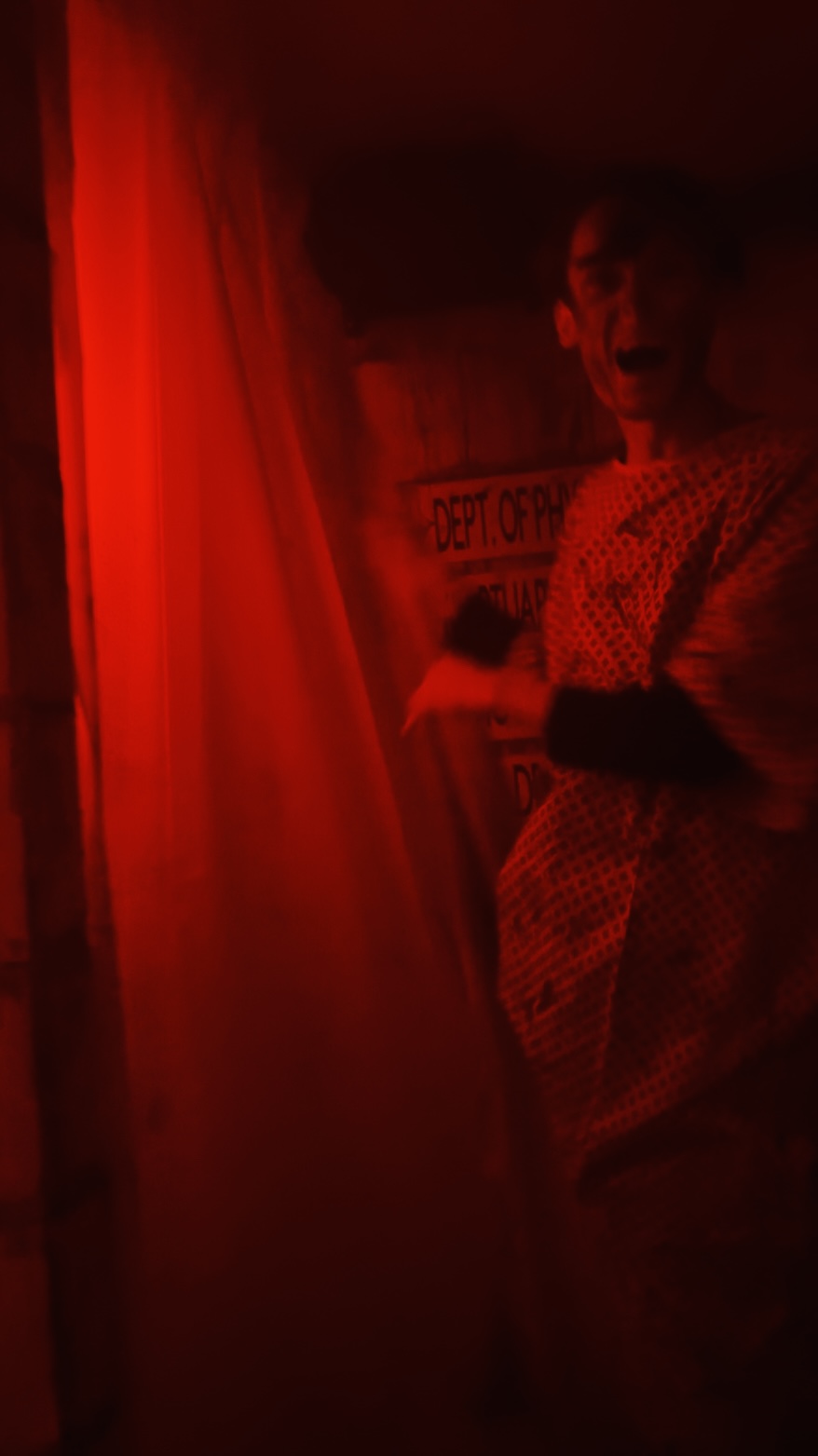
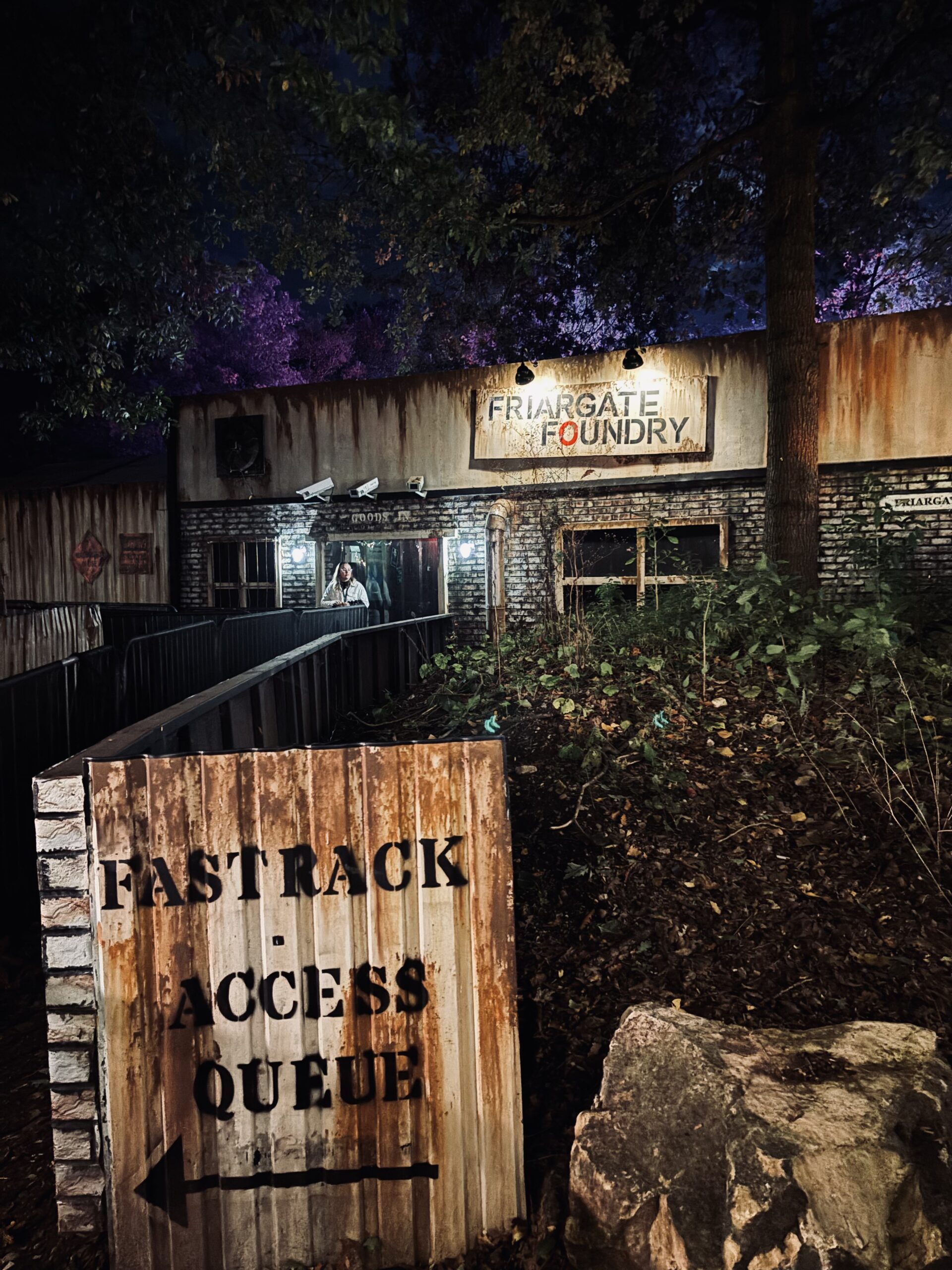
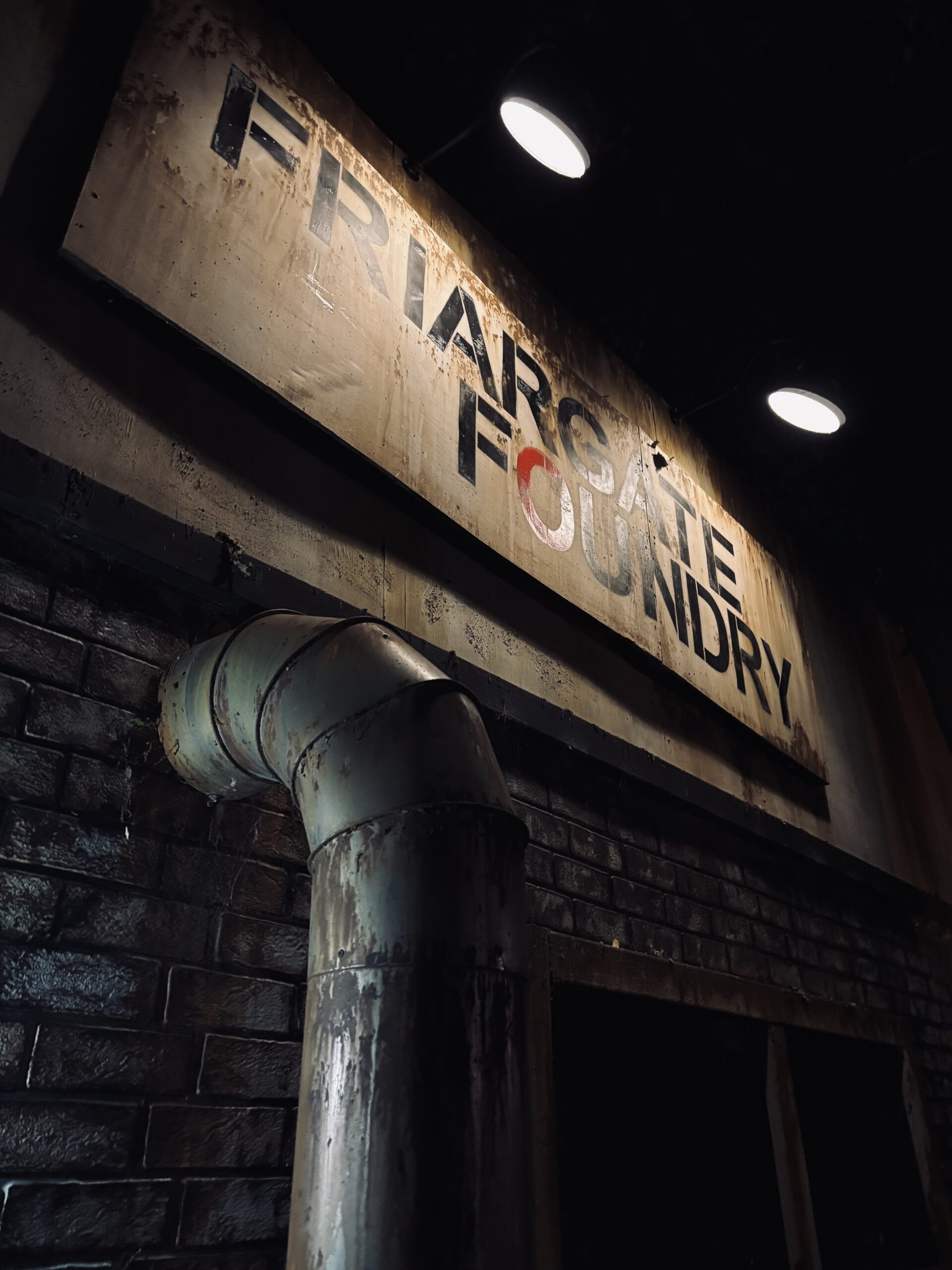
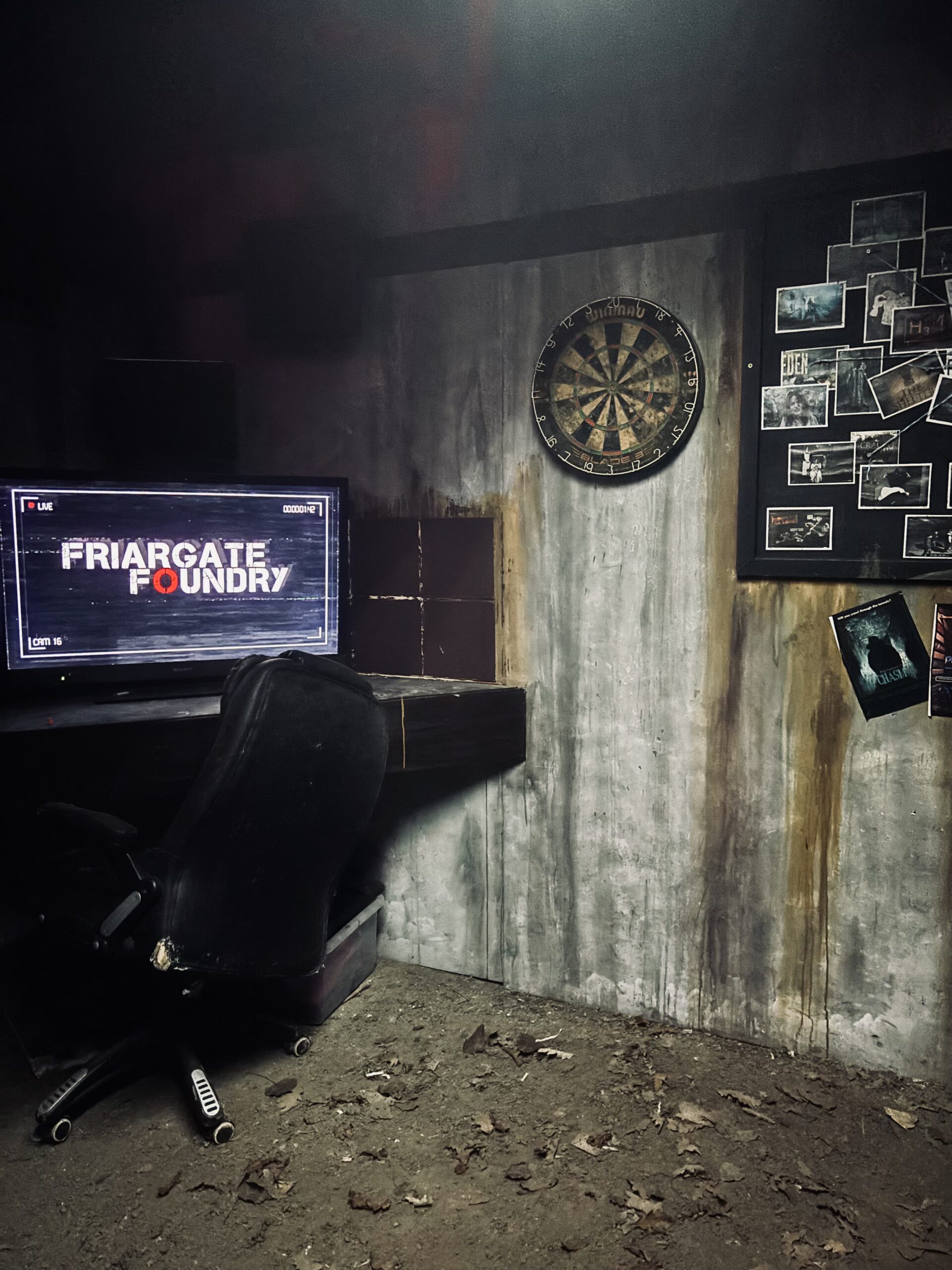
In “Friargate Foundry”, the costuming was among the strongest of the night. The bloodied dentist and deranged inmates were realised with convincing dirt and distressing detail, helping to especially sell medical and carceral horror. A standout element was The Operator (a figure glimpsed only through an introductory video – and who is incidentally the mascot of the entire park) wearing a demonic goat mask. The absence of this character in person felt like a missed chance, as his design was one of the most unique.
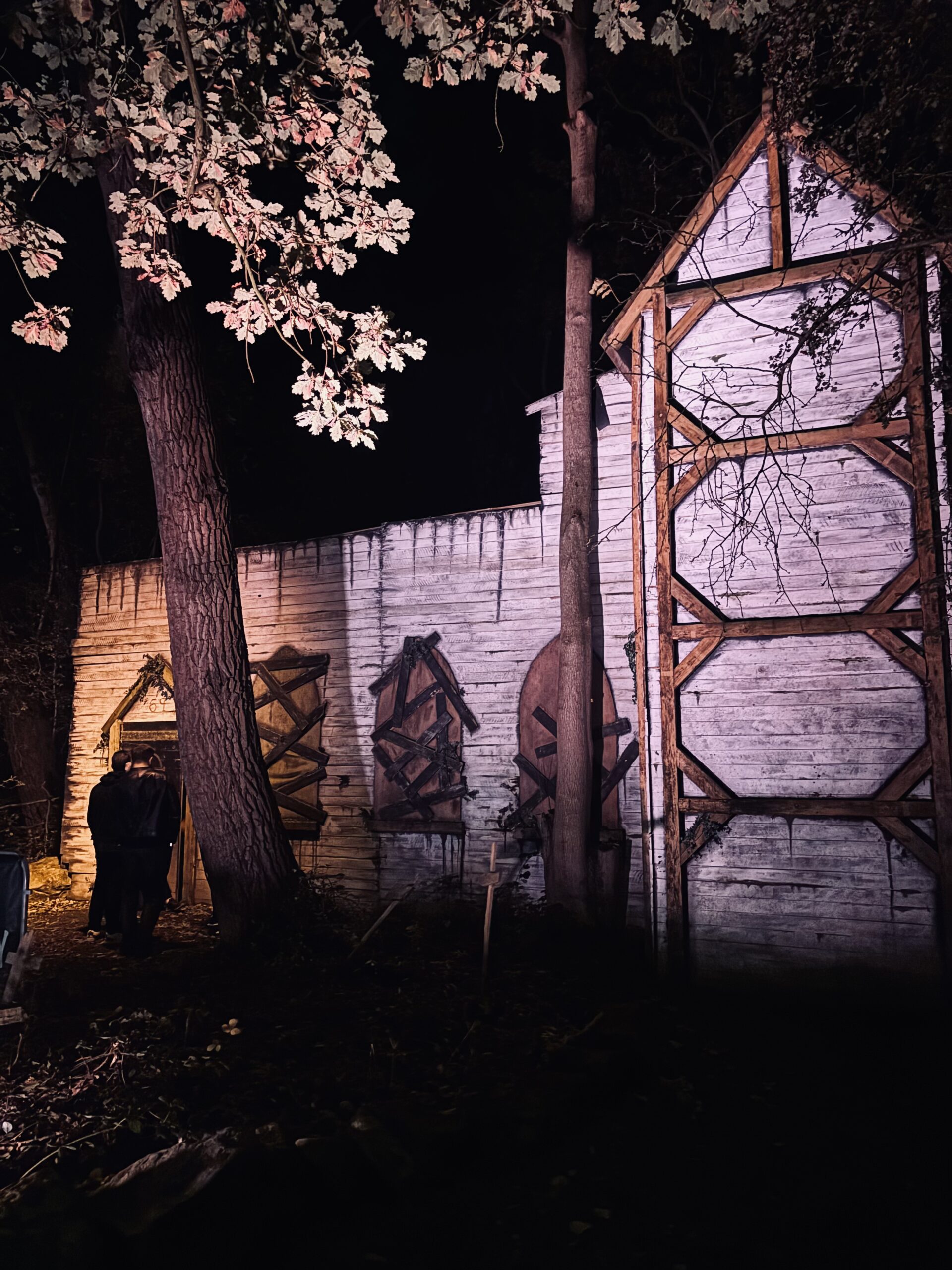
“Crackle Hill: The Summoning” favoured simplicity. The witches here wore minimal makeup, which perhaps suited the country/folk-horror surroundings, with no masks being used. The restraint in their appearance gave their movements and performances more gravitas. As with many of these mazes, the vignette actors were particularly strong in the costume department. The fortune teller who guided us into the séance-like card reading sequence stood out with a far more detailed costume, embodying the mysterious nature of the room.
“Diabolus: Visum Mortis” delivered a visual highlight through its use of religious iconography. The (un)holy sisters, dressed in full habits, were illuminated by strobing lights that transformed their silhouettes into menacing flashes of wrathful devotion. The makeup was understated, allowing the lighting to carry the impact.
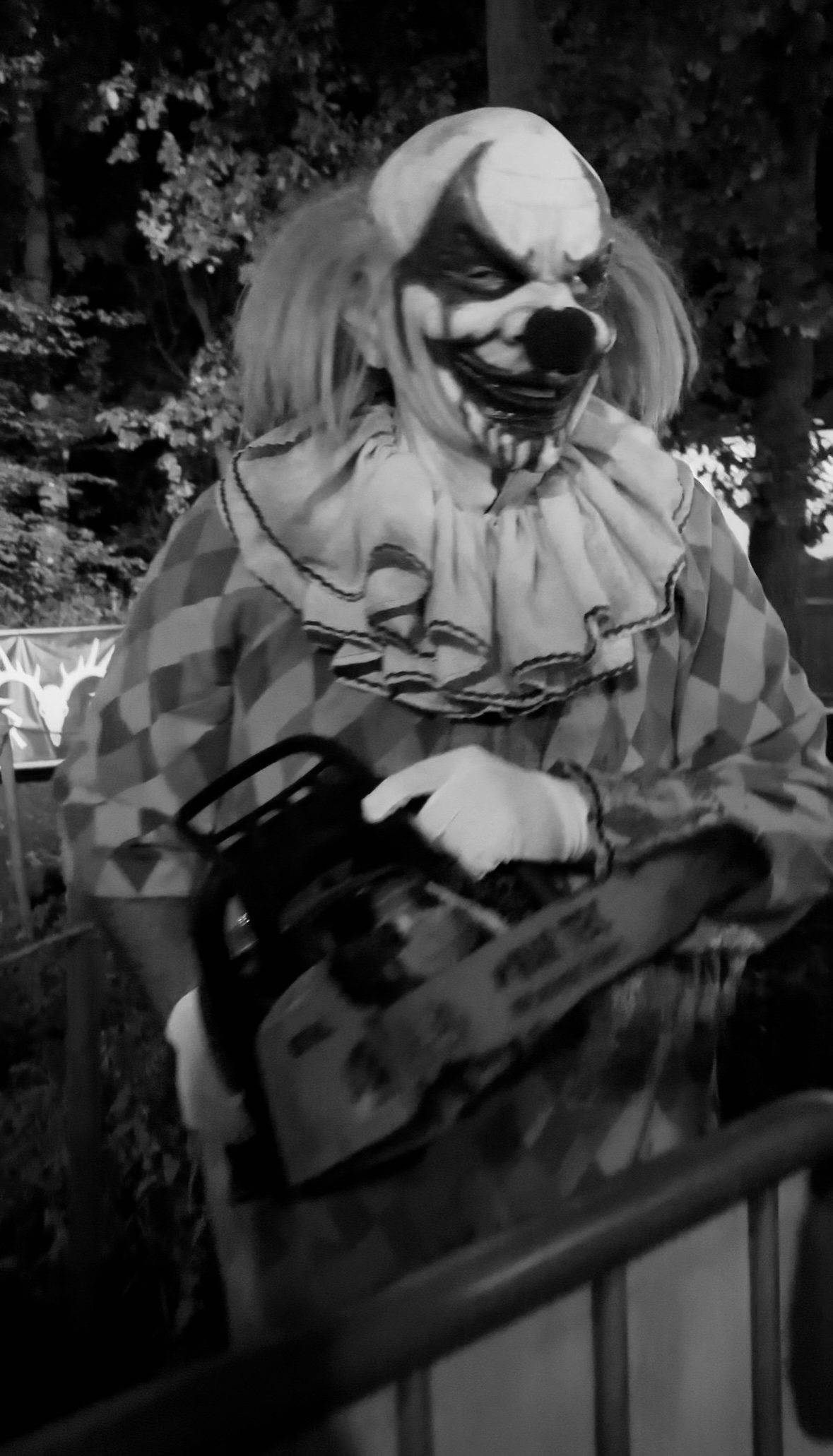
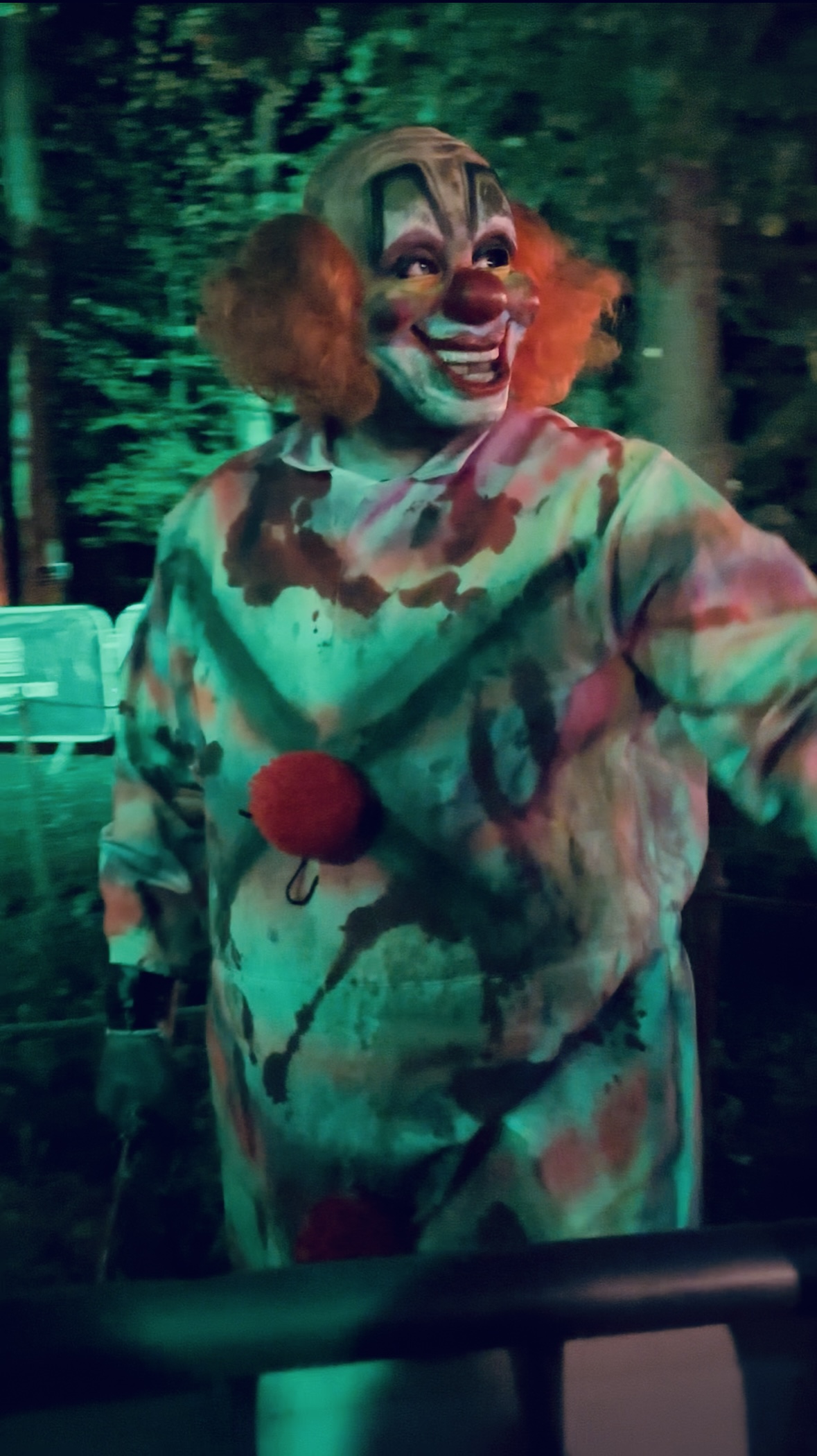
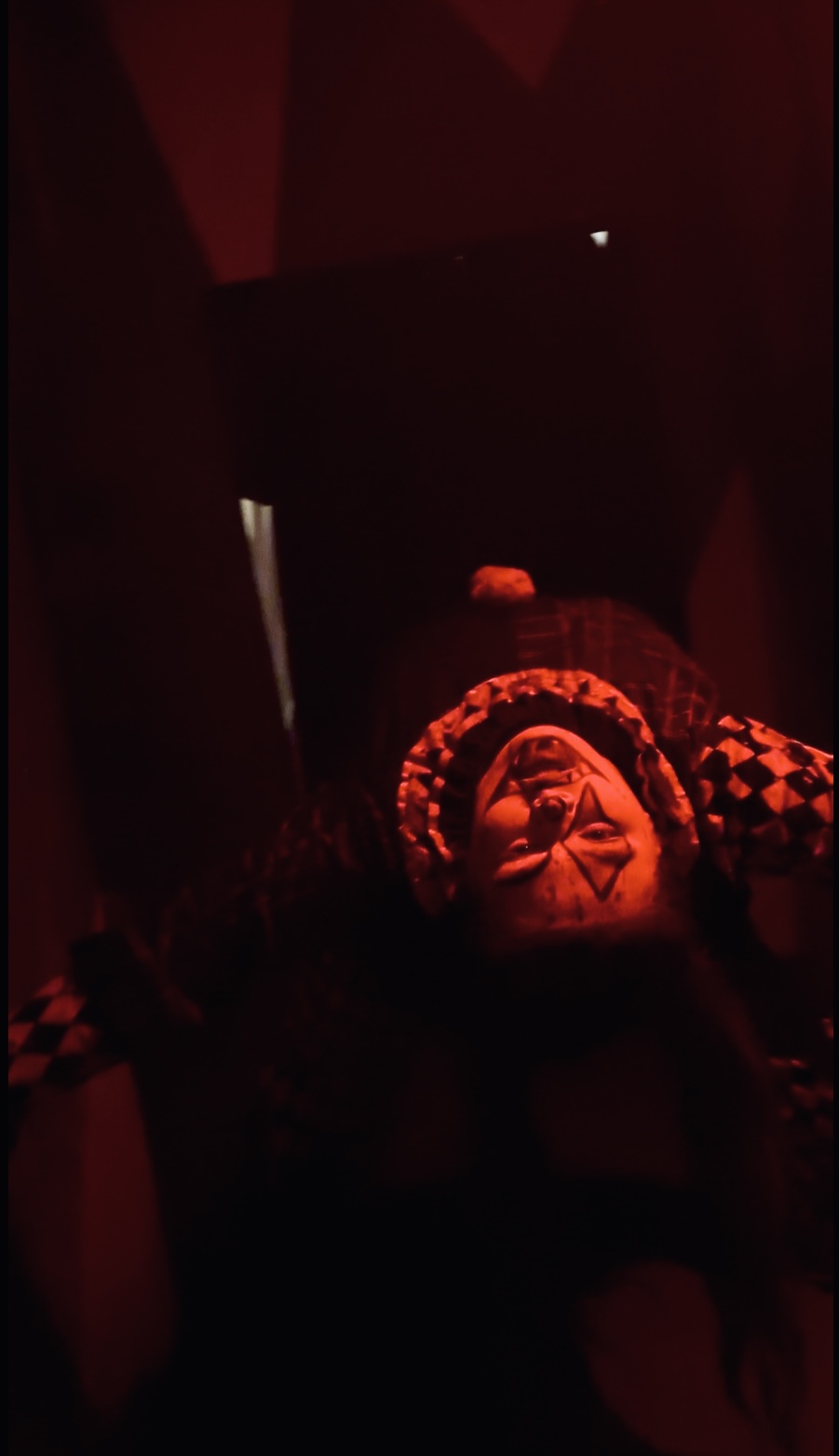
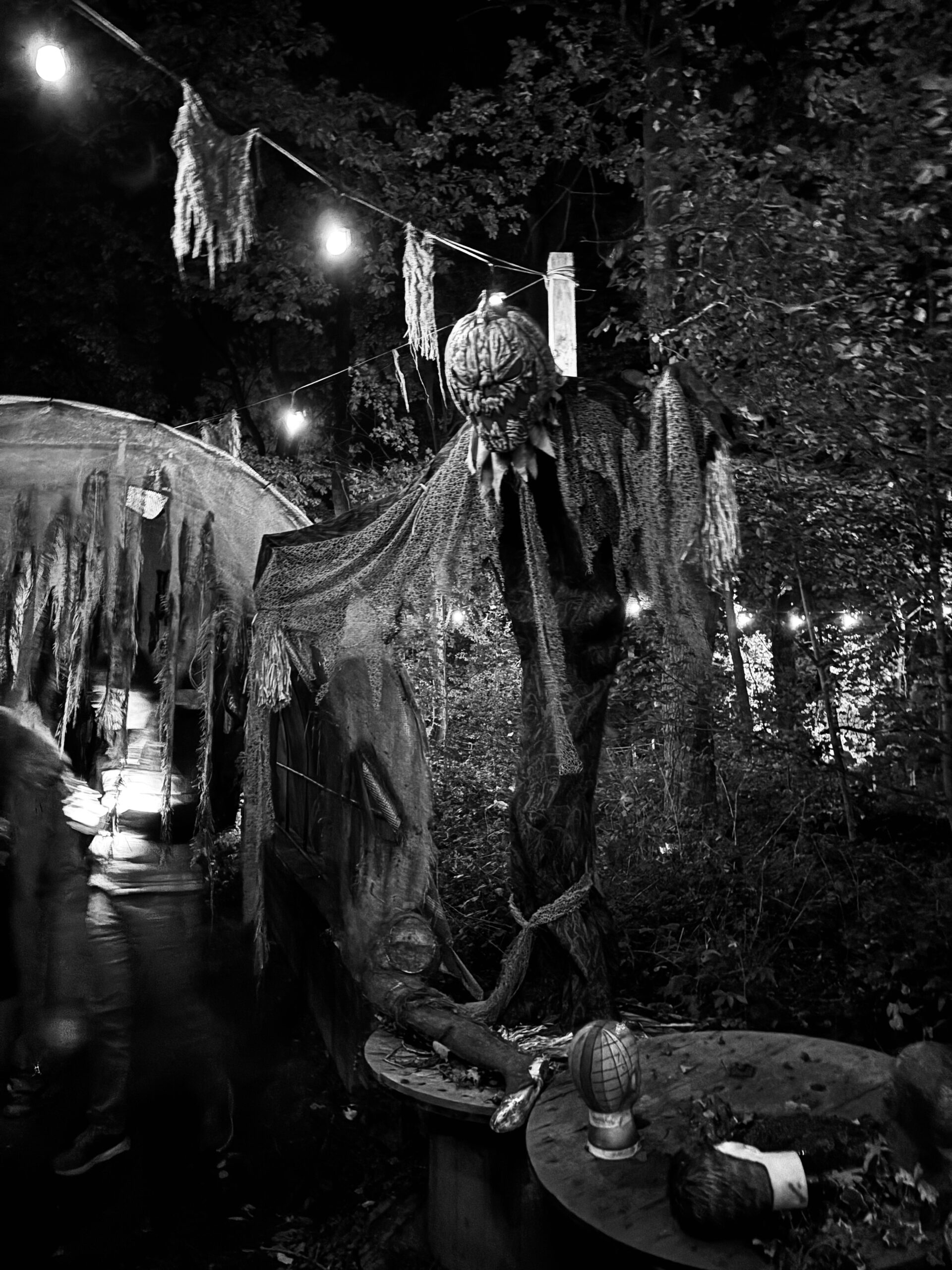
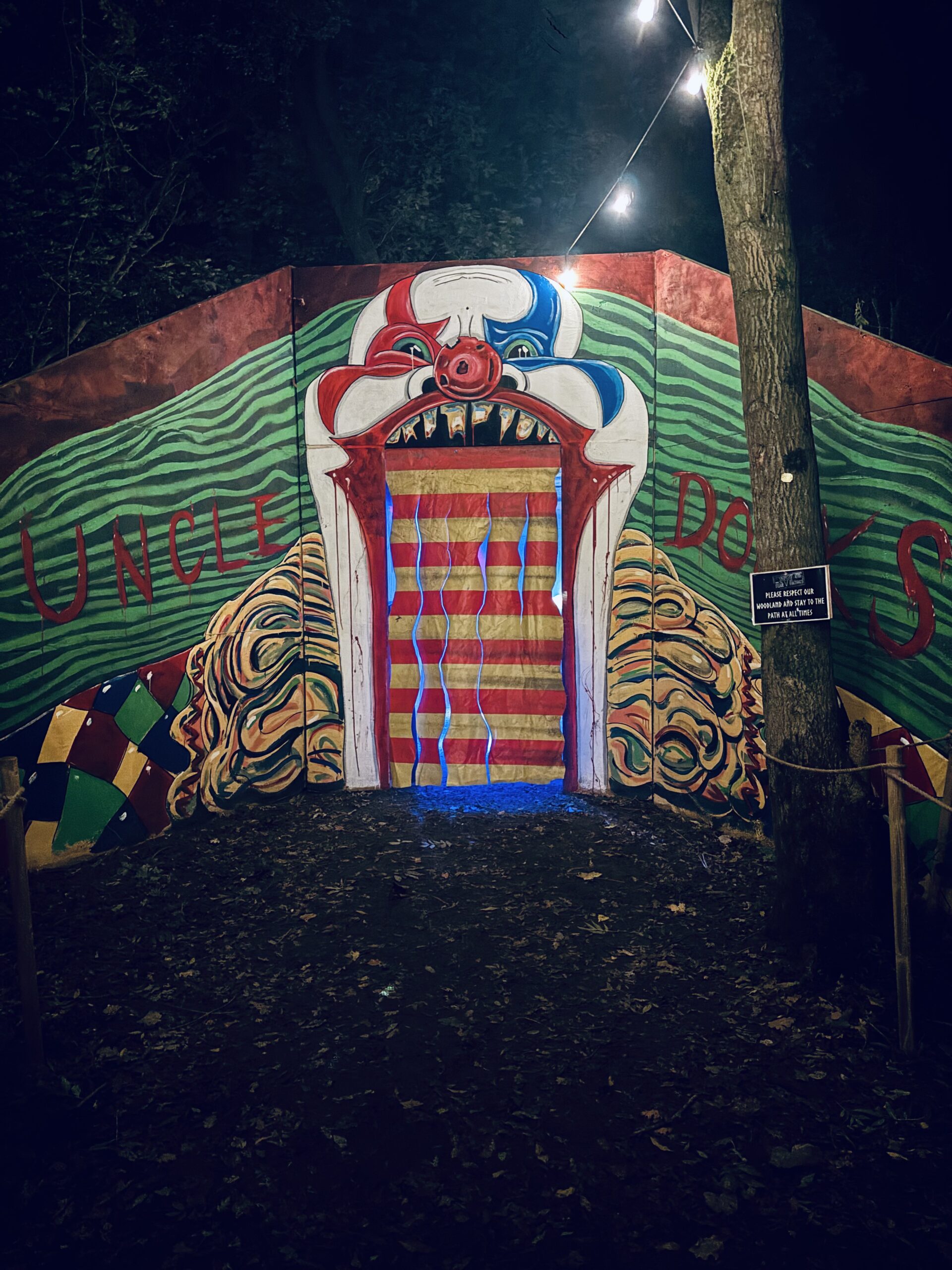
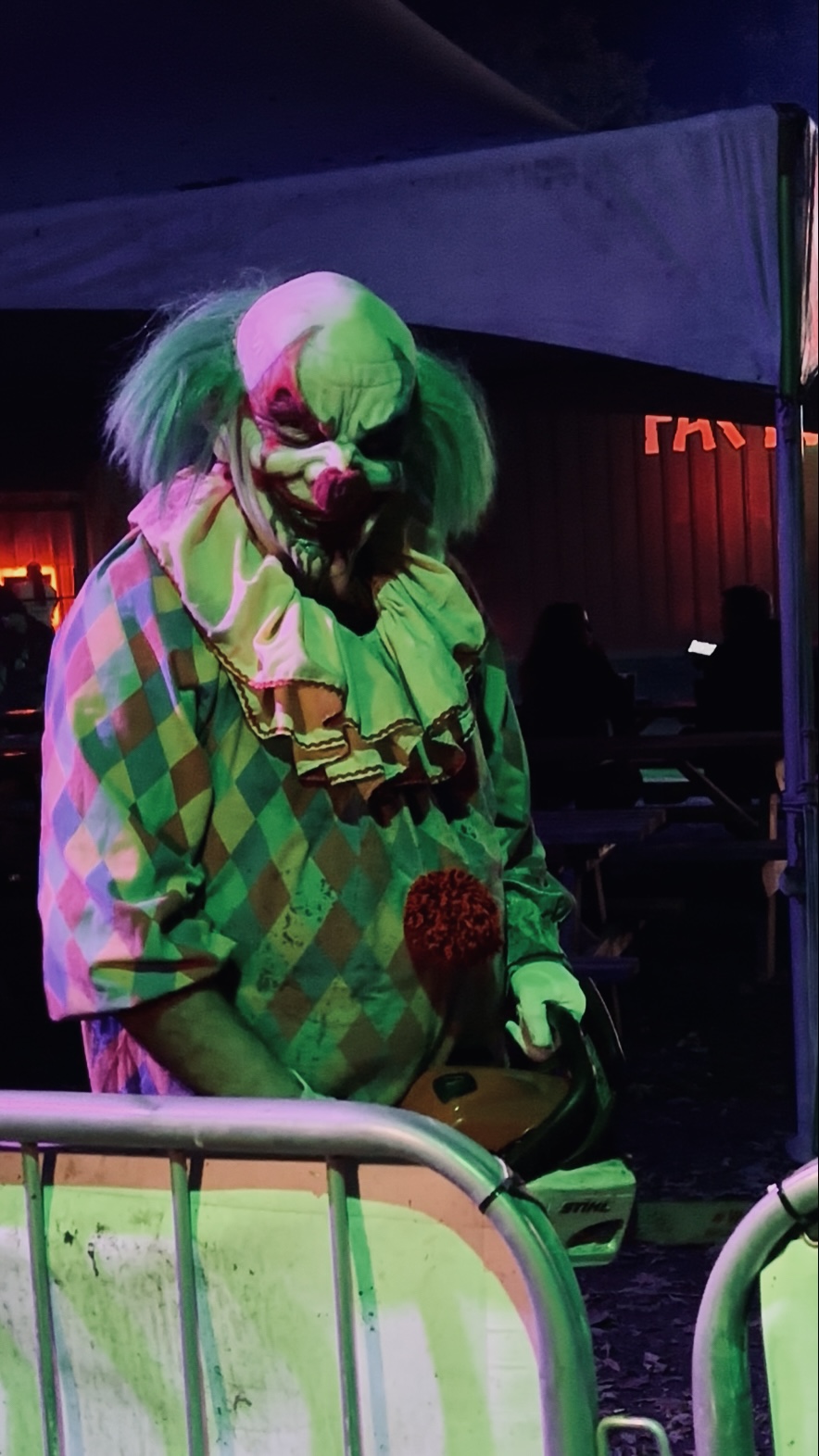
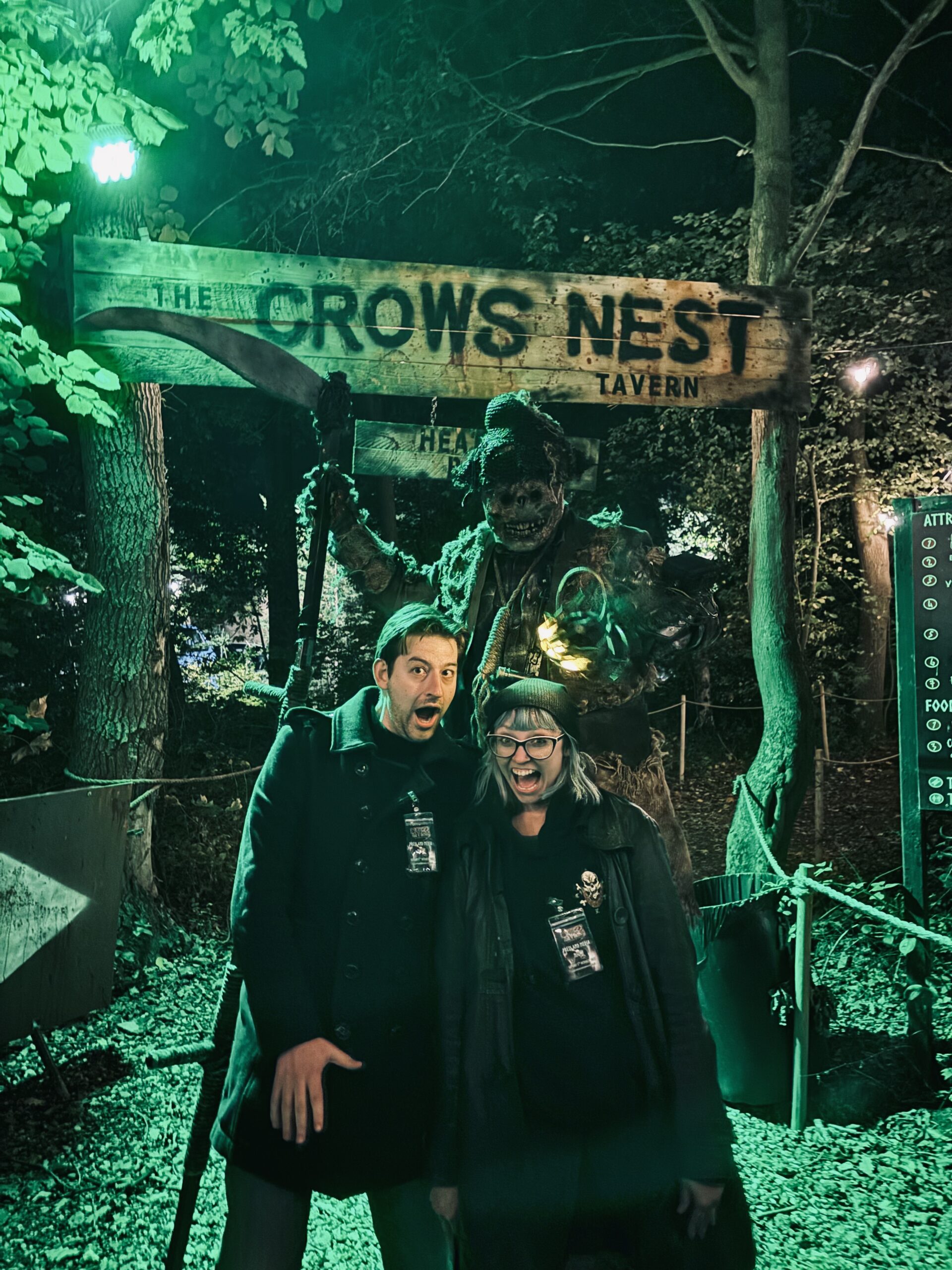
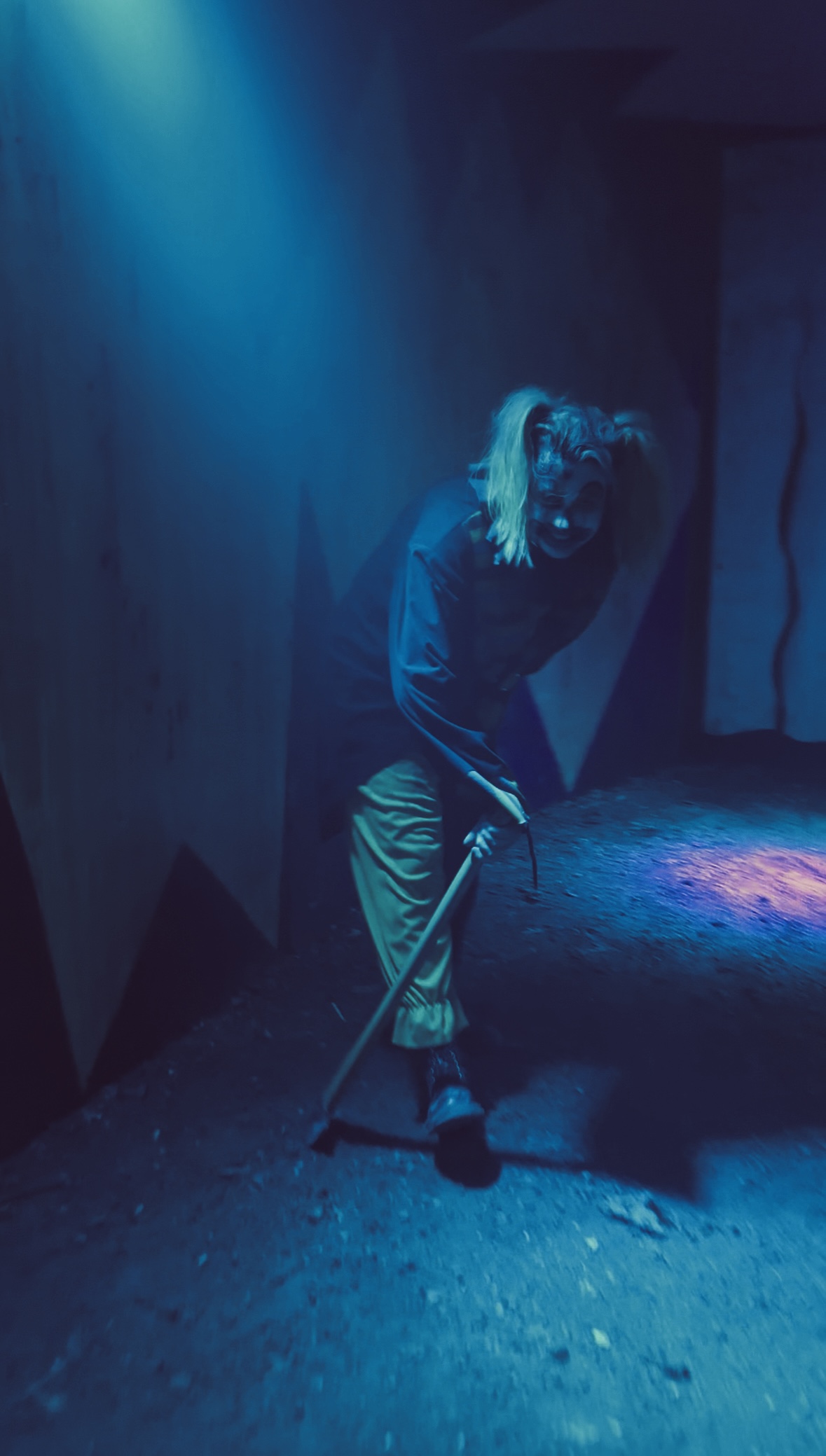
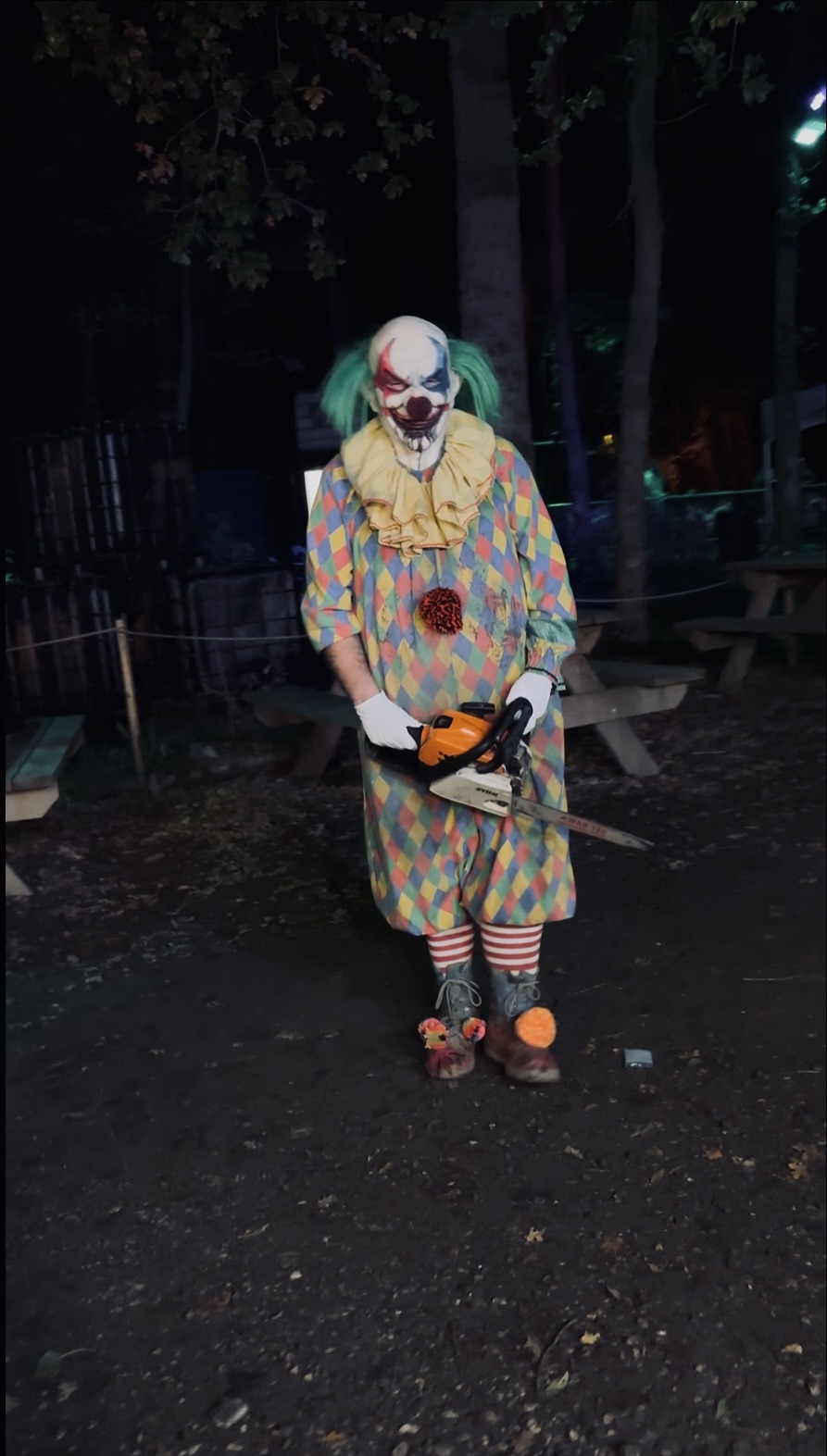
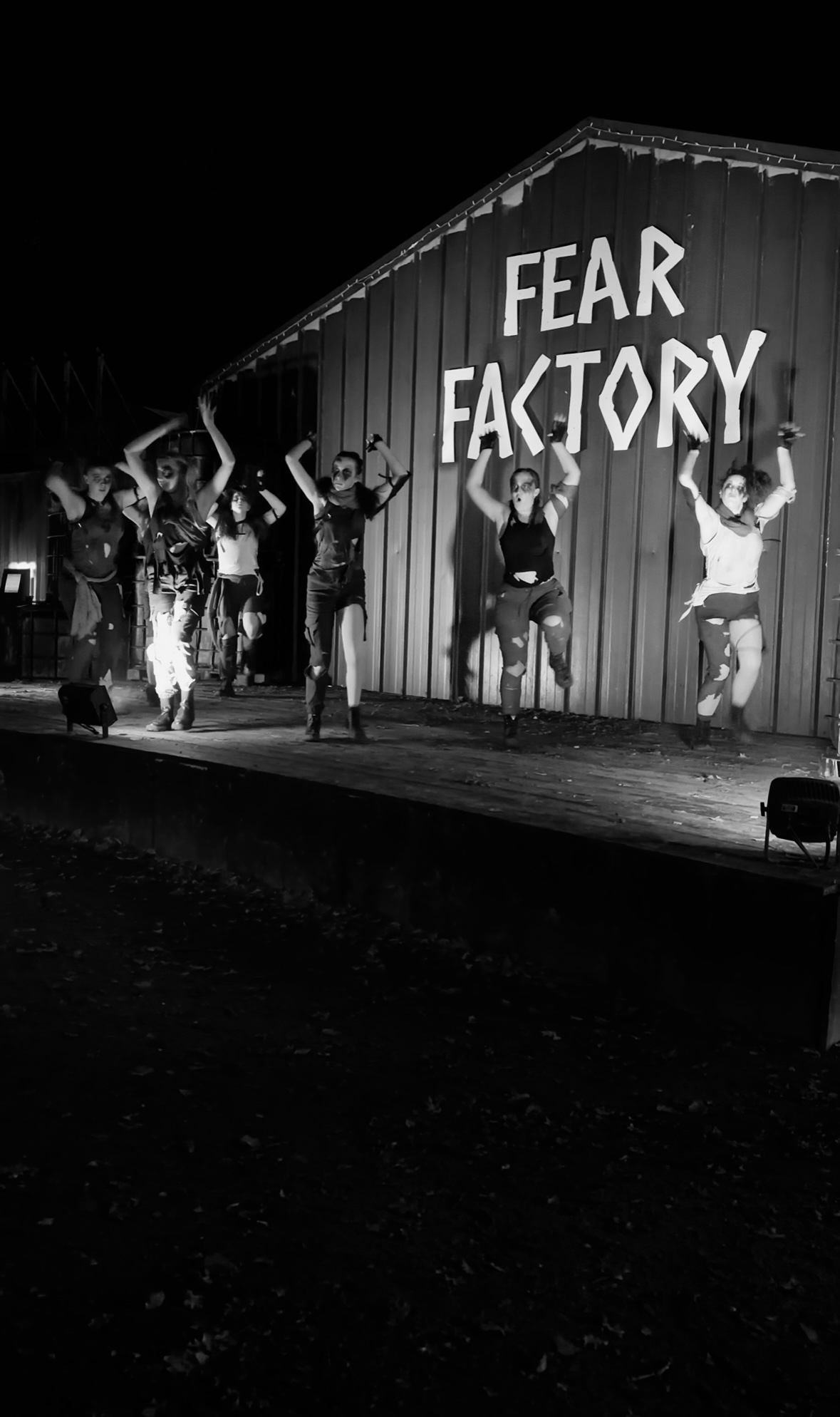
Beyond the mazes, the roaming actors also contributed to the visual cohesion of the park. The clowns were particularly successful, especially a masked, demonic chainsaw clown who pursued us throughout the evening, revving his saw. As memorable were the corn-stuffed scarecrows, their faces shrouded in burlap, evoking the sinister stillness of figures that might leap to life at any moment (which, of course, they did!).
See Less